Hasidic pilgrims planning to travel to Uman for Rosh Hashanah via border crossings from Moldova and Romania in the Odesa region should be aware of an important change in the organization of transit traffic.
The Odesa Regional Military Administration has lifted the curfew restrictions on transit traffic for all modes of transportation on state highways. This was announced by Oleg Kiper, head of the Odesa Regional Military Administration.
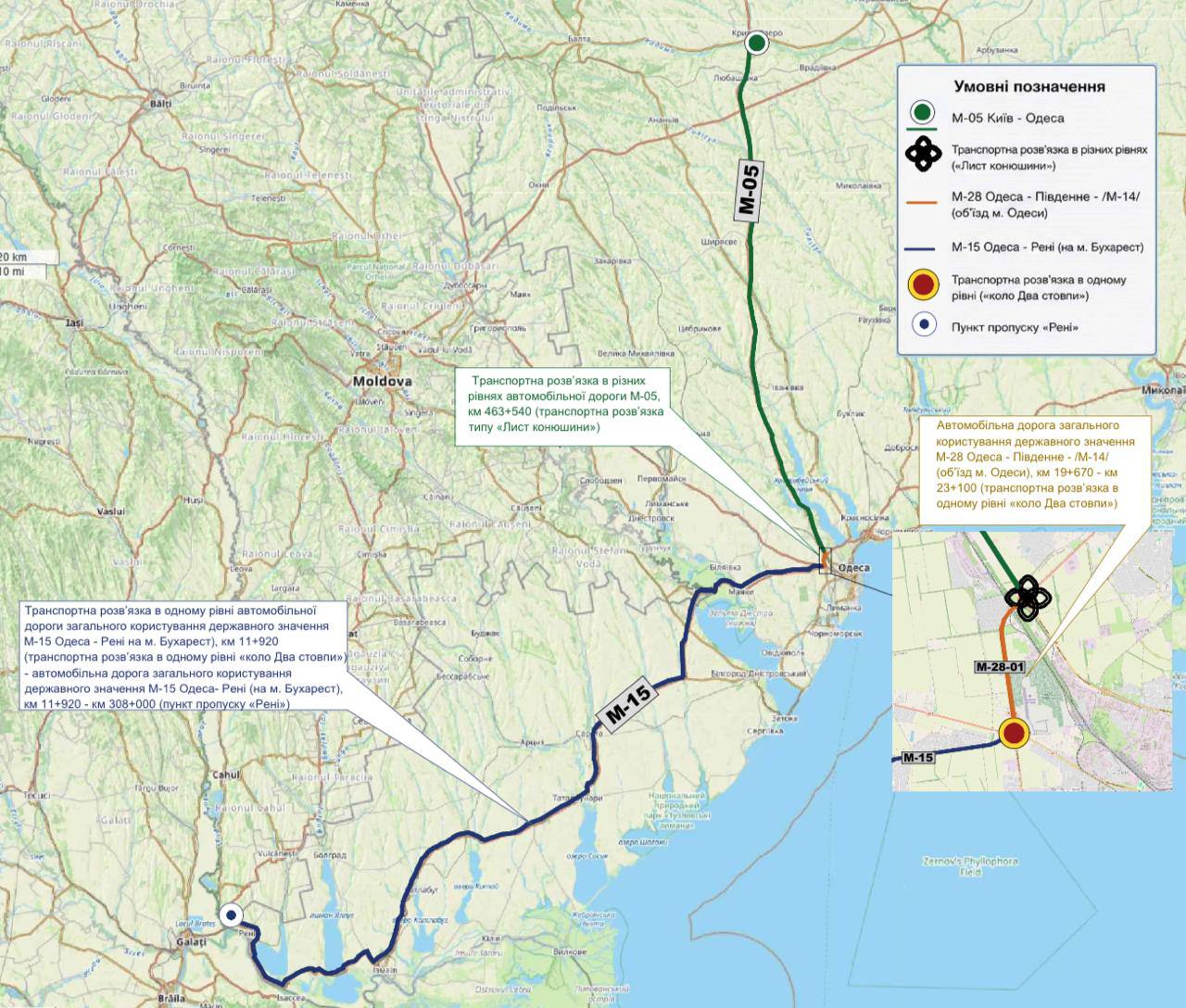
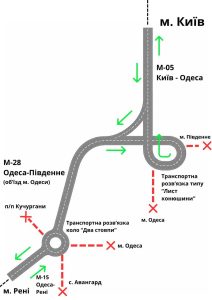
This applies to roads from the Kyiv highway along the Odesa bypass toward the Palanka, Starokozache, Orlivka, and Reni border crossings.
What This Means for Pilgrims Traveling to Uman
The decision is particularly important for people crossing the border with Moldova and Romania. For pilgrims traveling to Uman for Rosh Hashanah, this may simplify the journey via the southern route and reduce travel time.
According to Oleg Kipper, the decision applies to both directions of travel. In other words, it is important both for those entering Ukraine through the checkpoints in the Odesa region and for those returning via these routes after their pilgrimage.
Pilgrims will be able to reach the border crossings more quickly and spend less time on the road.
Which border crossings are affected by this decision?
The changes apply to transit traffic heading toward the following border crossing points:
- Palanka — toward Moldova;
- Starokozache — toward Moldova;
- Orlivka — toward Romania;
- Reni — toward Moldova and Romania via the southern route.
These routes may be important for pilgrims arriving in Ukraine by land through neighboring countries, as Ukrainian air service remains suspended due to the war.
Why This Is Important During Rosh Hashanah
In 2026, Rosh Hashanah in Uman will take place from September 11 to 13. During this period, tens of thousands of Hasidic pilgrims traditionally arrive in the city.
Due to the full-scale war unleashed by Russia against Ukraine, the pilgrimage is taking place under martial law. That is why logistics, border crossings, road safety, and compliance with traffic regulations are of particular importance.
Lifting the curfew restrictions for transit traffic on state roads in the Odesa region could help pilgrims better plan their routes, especially if they are traveling through Moldova or Romania.
What Pilgrims Need to Keep in Mind
Despite the easing of transit restrictions on certain state roads in the Odesa region, pilgrims should remember that martial law remains in effect in Ukraine.
Before traveling, you must:
- check your documents for entry into Ukraine;
- confirm the route to the selected border crossing point;
- be prepared for possible lines at the border;
- follow official announcements from the Regional State Administration, the State Border Guard Service, and local authorities;
- allow extra time for the trip;
- do not ignore air raid alerts;
- comply with the instructions of law enforcement officers and border guards.
It is also advisable to check the conditions of the route from the Odesa region to Uman in advance, as road conditions may change depending on the security situation.
Unrestricted transit does not override other martial law regulations
It is important to understand that the lifting of curfew restrictions applies specifically to transit travel on public roads along designated routes.
This does not mean a complete lifting of martial law regulations in the region or in other settlements. Pilgrims should closely monitor which rules apply in a specific city, community, or on a particular section of the route.
In particular, upon arrival in Uman, you must comply with the rules established in the city: the curfew, safety requirements, traffic restrictions in the pilgrimage area, and instructions from the relevant authorities.