45,000 Hasidic pilgrims in Uman are reading Tikun ha-Klali
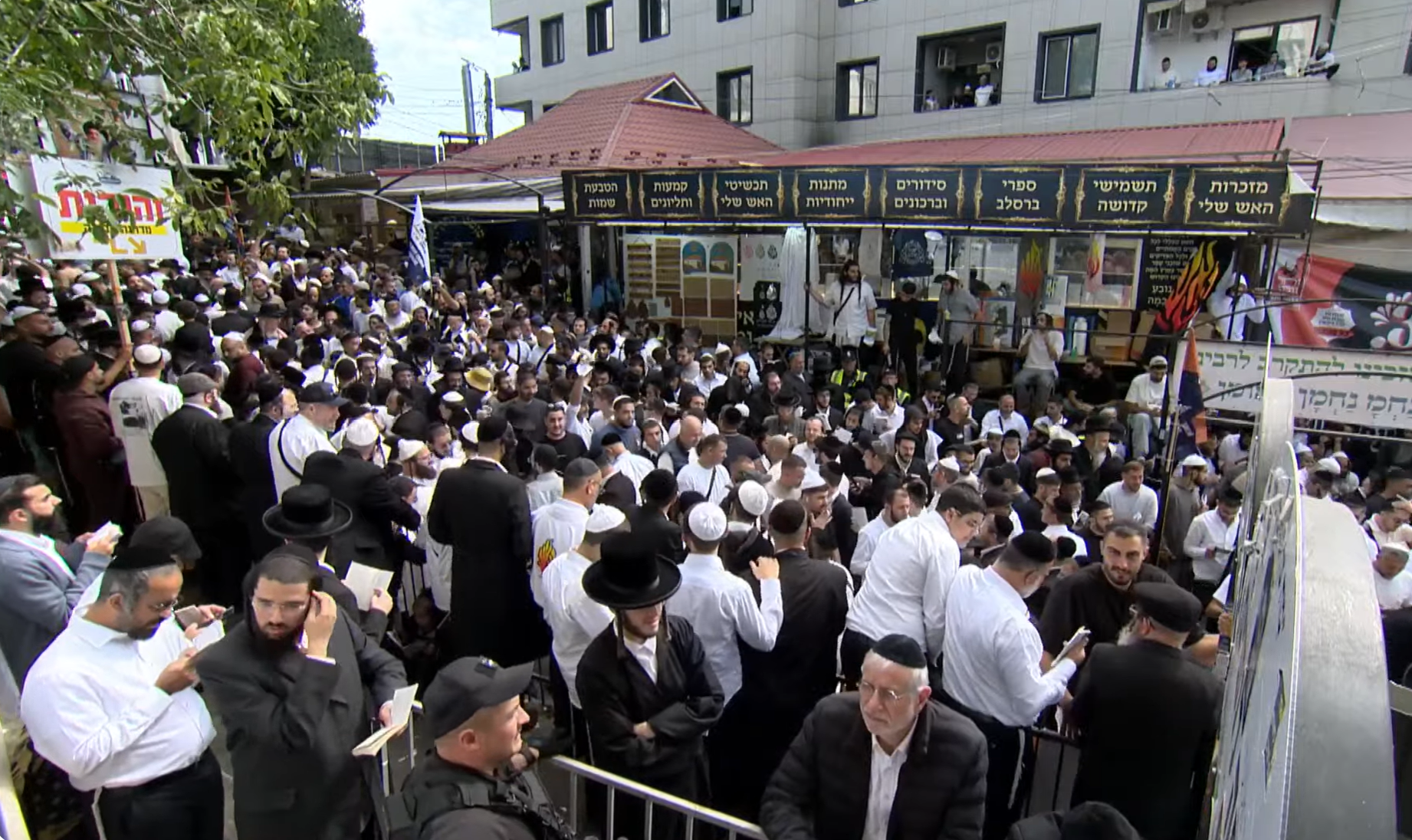
In Uman, more than 45,000 Hasidic pilgrims are preparing for one of the main spiritual events of Rosh Hashanah—the communal Tikun Ha-Klali prayer. It began at noon on September 11 in the pilgrimage area where the grave of Tzadik Nachman of Bratslav is located, according to a correspondent for “Kommersant Ukrainian.”
As of the morning of September 11, more than 45,000 pilgrims had already arrived in Uman. Most of them are from Israel, though there are also Hasidic Jews from the U.S., Canada, and European countries among the pilgrims.
Rosh Hashanah in 2026 begins on the evening of September 11 and will last until the evening of September 13. For the Bratslav Hasidim, a trip to Uman during this period holds special spiritual significance, as their spiritual mentor, Tzadik Nachman, is buried here.
One of the most important events of the first day is Tikun Ha-Klali—a prayer for universal rectification and forgiveness. It is recited simultaneously by pilgrims in Uman and Hasidim in various countries around the world.

As Iryna Rybnytska, director of the “Uman Historical and Cultural Center” charitable foundation, noted in an exclusive comment to “Kommersant Ukrainian,” this year the prayer holds special significance not only for the pilgrims themselves but also for Ukraine.
“Today, there are over 45,000 Hasidic pilgrims in Uman. For them, Tikun Ha-Klali is one of the most important prayers during Rosh Hashanah. For the fourth year in a row, pilgrims have been praying not only for their own well-being and spiritual purification but also for peace in Ukraine,” said Iryna Rybnytska.
According to her, a special festive atmosphere is already palpable in the pilgrimage area. Pilgrims are visiting synagogues, praying, singing, socializing with one another, and preparing for the main religious events.
“Active preparations for the Rosh Hashanah celebration have begun in the pilgrimage area. People are praying, gathering at places of worship, and preparing for the communal Tikun Ha-Klali prayer. For Uman, this is a period of great activity, but at the same time, one of a special spiritual atmosphere,” noted Iryna Rybnytska.
David, a Hasidic pilgrim from the U.S., said that he visits Uman every year. For him, praying at the grave of Tzadik Nachman is a personal spiritual duty and an important part of Rosh Hashanah.
“I come to Uman every year because, for me, it is a holy place. Here we pray for ourselves, for our families, and for the entire Jewish people. But in recent years, we have also been praying for Ukraine, for peace, and for the people living in this country during the war,” said David, a pilgrim from the U.S.
This year’s pilgrimage is taking place under martial law and heightened security measures. Ukrainian law enforcement officers, rescue workers, medical personnel, interpreters, utility services, and other relevant agencies are on duty in the city.
Despite the challenging security situation, pilgrims continue to arrive in Uman to celebrate the Jewish New Year at the grave of Tzadik Nachman. For many of them, this trip is not just a tradition, but a profound spiritual need.
The Tikun Ha-Klali prayer in Uman brings together thousands of people every year. In 2026, it will take place at a time when Hasidic pilgrims from around the world will once again come together in communal prayer—for forgiveness, blessings, spiritual purification, and peace in Ukraine.